When thinking about light sensitivity in your products, you want to ask yourself what in the products you are making is light sensitive? Skincare products, for instance hyaluronic acid serums or caffein repair serums, contain some elements that may breakdown as they become exposed to the light? This may make your products ineffective and may irritate the skin. Therefore, when choosing your dropper bottle, the first criterion is to choose to find one that is light proof. When checking your product for ingrédients, light sensitive elements may necessitate the use of a dropper bottlw that is not clear. In situations such as these, use a light blocking bottlw to stabilize your product.
When it comes to dropper bottles, the type of bottle used to store light-sensitive products really does make a difference. You could use amber glass, which is popular because it blocks a majority of UV rays. It also blocks a large part of visible light and keeps active ingredients from degrading. Amber glass dropper bottles are commonly used for light-sensitive serums and essential oils because of their fantastic light blocking capabilities. Another option is opaque plastic; although it is lighter than glass and thus easier to transport as well as break, some high-quality opaque plastic also blocks light effectively. With glass and plastic, it ultimately comes down to the needs of your product. If it is thick or has strong ingredients that may react with plastic, amber glass would be a better choice. Using opaque plastic dropper bottles is ideal if you prioritize portability and durability. Using the right material is important for light-sensitive products because it helps improve and extend their shelf life.
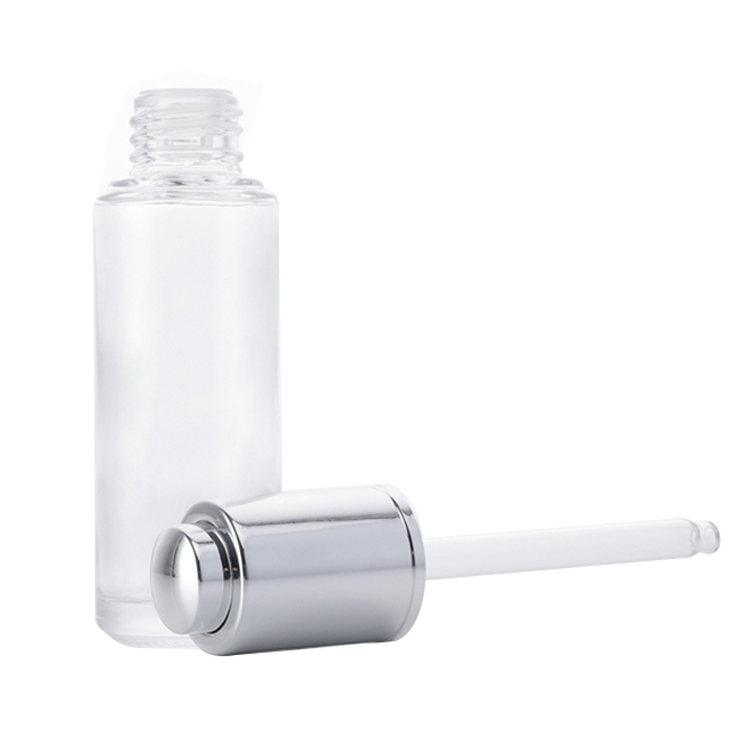
Sealing performance of the dropper bottle is important when the bottle is used for products that are light sensitive. Even if the bottle is able to block light well, the absence of a good seal may let oxygen in, which will oxidize the content. Hence checking the seal is important. Also consider the design of the dropper. The dropper should fit snugly into the bottle’s neck to form a seal, with no gaps that would let air in or product to leak out. Some dropper bottles are equipped with a rubber stopper or a silicone seal. Stoppers and seals are designed to be there. You can test the seal of the dropper bottle by filling it with a liquid, closing it, and inverting it. If no liquid leaks out the seal is good. A well-sealed dropper bottle should be able to block light and seal of air ensuring the product remains effective for longer.
Think about the size of the dropper bottles and how accurate the dispensing is. The customer’s use of the product should be considered when deciding on size. A small dropper bottle of about 10ml is perfect for serums that are used in small quantities as it reduces the frequency of exposure to light and air. For more liquid products that are used more often or in larger quantities, 30ml or 50ml dropper bottles are more appropriate. Each dropper should also provide the customer with the correct amount of liquid each time. For products that are dosage specific, consistent dispensing is crucial. Calibrated tip droppers are helpful in achieving this. You should ensure that the dropper is convenient and accurately dispensing the amount of product needed.
Every day, more consumers become eco-conscious, making it a good idea to get eco-friendly dropper bottles. Check for bottles produced from recycled materials. Some sellers provide dropper bottles from recycled glass or plastic, which is a great way to minimize waste. Also, confirm if the bottle is recyclable after use. Eco-friendly options appeal to sustainable consumers, and it demonstrates your company's commitment to responsible practices. One more thing is to look for quality certifications. ISO 9001 and ISO 14001 certifications suggest the dropper bottle conforms to detailed quality and eco-friendly parameters. Confidence is a big factor for you and your consumers that the bottle is reliable and safe. Make sure to contact the supplier for this info if it's not visible. Eco-friendly and quality certified features are good both for the planet and for your brand’s image.
Testing The Dropper Bottles With Actual Products Is Very Important
Testing the dropper bottles with one of your products is very important to see if it is the right fit for your application for not. Take one of your light-sensitive products and fill the dropper bottles with it. Store it in normal conditions for a certain amount of time. Regularly check for the product and document any changes in effectiveness, color, and texture. If the product texture and color remain unchanged, it is a good sign the dropper bottle is the right fit for the product. Also assess ease of use. Is the bottle easy and comfortable to operate, and is the dispensing process smooth and uneventful? Documented observations assist in providing relevant changes for ease and efficiency of usage. Testing finalizes a well functioning dropper bottle and mitigates spoilage and product cycle issues. Customer issues and complaints can be avoided in the future.

 EN
EN