
The Versatility and Superiority of Aluminum Packaging – Page Introduction
In the ever-evolving landscape of packaging solutions, Aluminum Packaging stands out as a game-changer, blending uncompromising protection, sustainability, and versatility to meet the demands of diverse industries—from pharmaceuticals and cosmetics to food and beverage. Unlike many traditional packaging materials that struggle to balance durability and functionality, Aluminum Packaging (including aluminum bottles, foils, and containers) delivers a unique combination of benefits that safeguard sensitive products while aligning with modern environmental goals.
At its core, Aluminum Packaging is celebrated for its exceptional barrier properties: it forms an impenetrable shield against ultraviolet rays, water vapor, oils, fats, oxygen, and harmful microorganisms—elements that often degrade product quality, compromise safety, or shorten shelf life. When used for pharmaceuticals (such as prescription medications or herbal supplements), cosmetics (like serums or facial oils), or food (from gourmet chocolates to baby food), Aluminum Packaging maintains hygiene, remains non-toxic, and prevents any unwanted tainting, ensuring the product’s original flavor, texture, and efficacy are preserved from production to consumption.
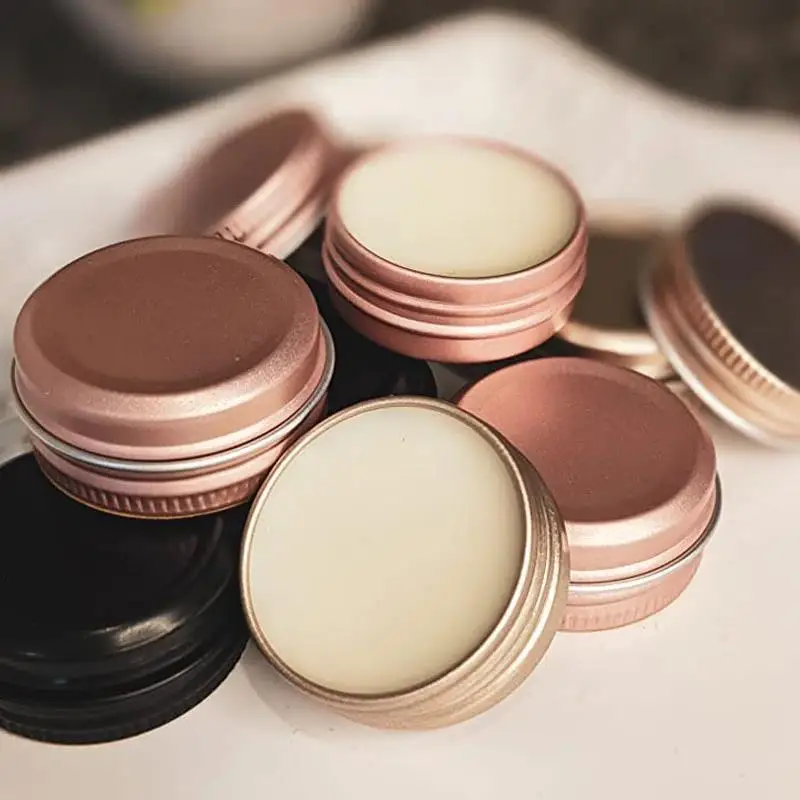
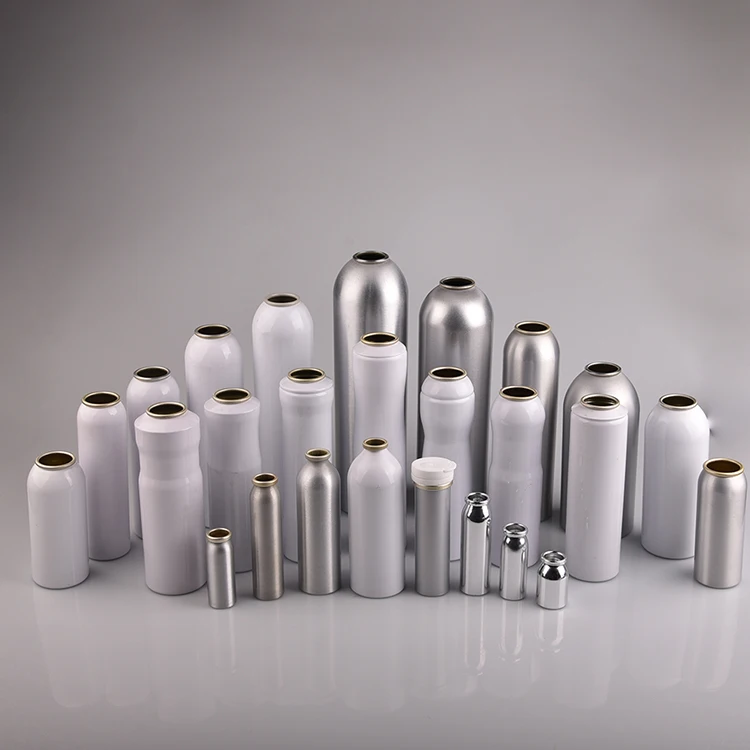
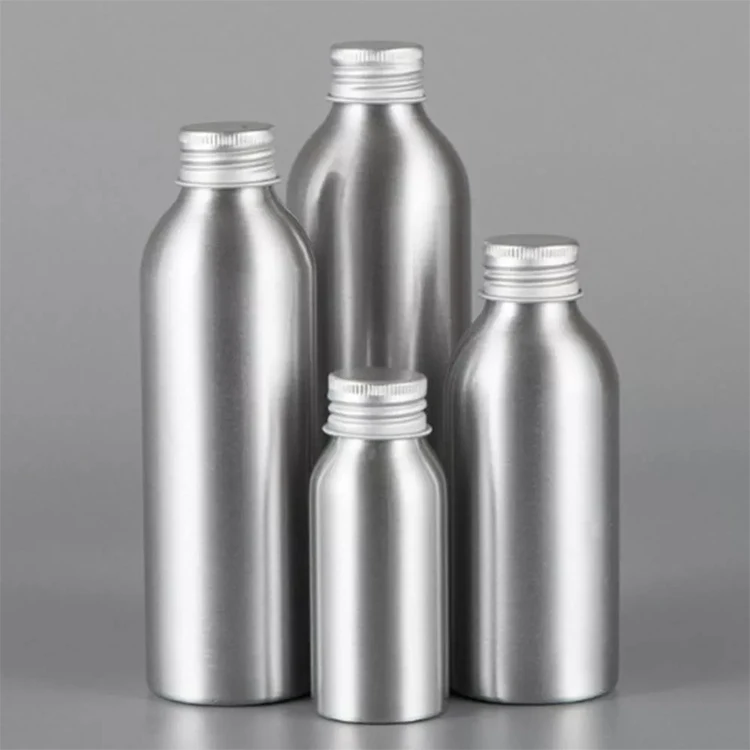
Beyond protection, Aluminum Packaging adapts to countless forms: sleek aluminum bottles for premium skincare, lightweight foil pouches for snacks, or rigid containers for canned beverages. This flexibility, paired with its eco-friendly credentials, has made Aluminum Packaging a top choice for brands and consumers alike. Whether you’re a pharmaceutical company prioritizing product integrity, a cosmetic brand seeking luxury aesthetics, or a food manufacturer aiming to reduce waste, Aluminum Packaging offers a solution that combines performance, sustainability, and consumer appeal—solidifying its place as a cornerstone of modern packaging innovation.
1. Core Advantages of Aluminum Packaging
1.1 Unrivaled Barrier Protection for Sensitive Products
The most defining advantage of Aluminum Packaging is its second-to-none barrier performance, which makes it indispensable for products that require maximum protection from external threats. Unlike plastic (which can allow oxygen or light to seep through over time) or glass (which is heavy and prone to breakage), Aluminum Packaging creates an impermeable metal barrier that blocks 100% of light—including harmful UV rays that degrade active ingredients in cosmetics (like vitamin C serums) or pharmaceuticals (such as antibiotics). It also seals out oxygen, preventing oxidation that spoils food (e.g., nuts turning rancid) or reduces the potency of skincare products.
For moisture-sensitive items (like powdered supplements or protein mixes), Aluminum Packaging repels water vapor, ensuring the product remains dry and clump-free. Even oils and fats—common in food (e.g., cooking oils) and cosmetics (e.g., body butters)—cannot penetrate the material, eliminating the risk of leakage or contamination. This level of protection is critical for industries where product safety is non-negotiable: pharmaceutical brands rely on Aluminum Packaging to keep medications sterile, while baby food manufacturers trust it to preserve nutrients without artificial preservatives. In short, Aluminum Packaging doesn’t just hold products—it defends their quality, safety, and longevity.
1.2 Lightweight Design Reduces Costs and Environmental Impact
Another key benefit of Aluminum Packaging is its exceptional lightness, a result of aluminum’s low density (2.70g/cubic cm) compared to heavier materials like steel (iron density: 7.86g/cubic cm). This light weight translates to tangible advantages for brands and the planet alike. For logistics, lighter Aluminum Packaging cuts down on transport costs: trucks, ships, or planes can carry more units of aluminum-packaged products per trip, reducing fuel consumption and lowering carbon emissions. For example, a shipment of aluminum beverage cans weighs significantly less than the same number of glass bottles, slashing transportation-related expenses by up to 30% for some brands.
The lightness of Aluminum Packaging also enhances consumer convenience: aluminum bottles are easy to carry in purses or backpacks, while aluminum foil packets fit into lunchboxes or travel kits without adding bulk. Unlike glass, which can be cumbersome or dangerous if dropped, Aluminum Packaging is lightweight yet durable, making it ideal for on-the-go products—from energy drinks to travel-sized skincare. This blend of cost-effectiveness, portability, and sustainability makes Aluminum Packaging a practical choice for brands looking to optimize both their budgets and their environmental footprint.
1.3 Exceptional Thermal Conductivity for Versatile Applications
Aluminum Packaging’s superior thermal conductivity—transferring heat 2.4 times faster than iron—opens up a world of versatile applications beyond basic storage. This property makes it ideal for products that require rapid heating or cooling. For food packaging, aluminum foil or aluminum containers excel at evenly distributing heat, making them perfect for ready-to-eat meals (e.g., frozen dinners that heat up quickly in the microwave) or takeout food that stays warm longer. In the beverage industry, aluminum cans chill faster than glass or plastic bottles, ensuring consumers can enjoy cold drinks in minutes— a major selling point for soda, beer, or iced coffee brands.
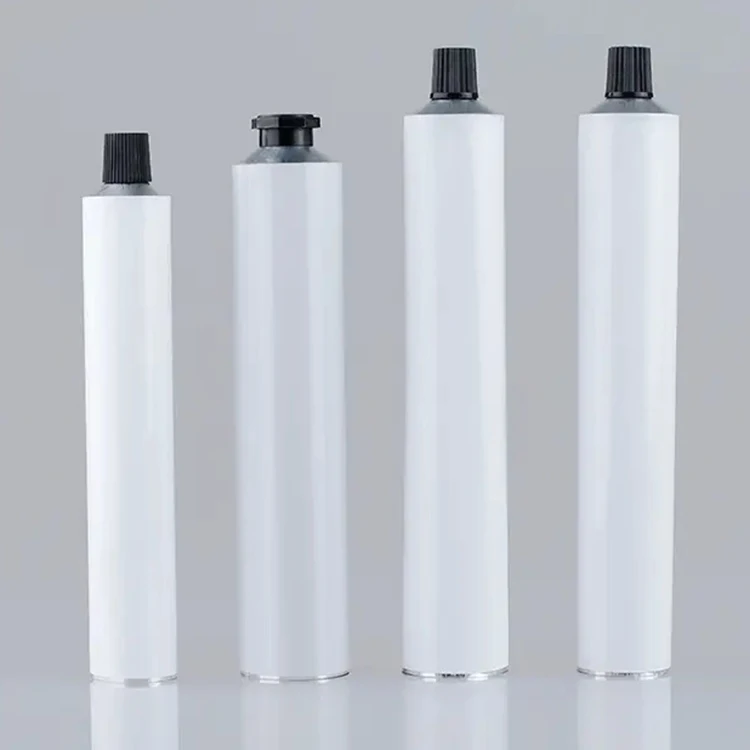
Even in non-food sectors, this thermal efficiency adds value: pharmaceutical Aluminum Packaging (like blister packs for pills) can withstand temperature fluctuations during shipping, protecting medications from extreme heat or cold. Cosmetic brands also leverage this property for products like aluminum tubes of hair conditioner, which can be stored in the shower without warping or losing shape due to heat or moisture. By combining thermal conductivity with its barrier properties, Aluminum Packaging becomes a multi-functional solution that adapts to diverse product needs.
1.4 100% Recyclability for Sustainable Branding
In an era where consumers prioritize eco-friendly choices, Aluminum Packaging’s unrivaled recyclability sets it apart from most other packaging materials. Aluminum is 100% recyclable, meaning it can be melted down and reused infinitely without losing quality—a feat few materials (including plastic or paper) can match. What’s more, recycling aluminum requires only 5% of the energy needed to produce virgin aluminum, drastically reducing greenhouse gas emissions and conserving natural resources.
This sustainability story resonates strongly with consumers: aluminum drinking cans are the most recycled packaging product globally, with recycling rates exceeding 60% in many countries. For brands, using Aluminum Packaging is a powerful way to demonstrate environmental responsibility. A cosmetic brand, for example, can market its aluminum serum bottles as “infinitely recyclable,” appealing to eco-conscious shoppers. A food company can highlight that its aluminum foil packaging diverts waste from landfills. Unlike single-use plastics that persist in the environment for centuries, Aluminum Packaging closes the loop on waste, making it a cornerstone of circular economy goals—and a key driver of brand loyalty among sustainability-focused consumers.
2. Craftsmanship & Technological Selling Points of Aluminum Packaging
2.1 Precision Rolling for Ultra-Thin yet Durable Formats
The versatility of Aluminum Packaging begins with precision rolling technology, which allows aluminum to be transformed into ultra-thin formats (like foil) while retaining impressive strength. Manufacturers use advanced rolling mills to press aluminum ingots into sheets as thin as 0.006mm—thinner than a human hair—without compromising durability. This process is critical for creating aluminum foil, a staple in food packaging (e.g., wrapping sandwiches) and cosmetic packaging (e.g., sealing sample sachets).
Even at these thin gauges, Aluminum Packaging remains resistant to tears and punctures, ensuring it can protect products during handling and shipping. For thicker formats, like aluminum bottles or cans, rolling technology is used to create uniform walls that balance lightness and sturdiness. For example, aluminum beverage cans are made from thin aluminum sheets (just 0.1mm thick) that are shaped into cylinders using high-pressure forming—resulting in a container that is lightweight, stackable, and strong enough to withstand the pressure of carbonated drinks. This precision rolling ensures every piece of Aluminum Packaging meets strict standards for consistency, durability, and performance.
2.2 Advanced Coating Technologies Enhance Functionality and Aesthetics
To further elevate Aluminum Packaging’s performance and appeal, manufacturers use advanced coating technologies that add functionality and visual flair. For food-contact Aluminum Packaging (like cans or foil), food-safe coatings are applied to prevent direct contact between aluminum and acidic or salty products (e.g., tomato sauce or pickles), which could otherwise cause discoloration or affect flavor. These coatings are non-toxic, compliant with global safety standards (such as FDA and EU 10/2011), and ensure the product remains pure.
For cosmetic or premium beverage Aluminum Packaging, decorative coatings and finishes are used to enhance aesthetics. Brands can choose from matte, glossy, or metallic coatings, or even custom colors (matching their brand palette) to make Aluminum Packaging stand out on shelves. For example, a luxury perfume brand might use a gold-plated coating on its aluminum bottle, while a craft beer brand could opt for a matte black finish with embossed logos. These coatings not only boost visual appeal but also add a protective layer, making Aluminum Packaging more resistant to scratches or fading—ensuring it looks pristine from production to purchase.
2.3 Seamless Forming for Leak-Proof and Sterile Containers
Leakage and contamination are major concerns for packaging, especially for liquids or sensitive products—and Aluminum Packaging addresses this through seamless forming technology. For aluminum bottles or cans, manufacturers use a process called “impact extrusion” or “draw-and-iron” to create one-piece containers with no seams. This seamless design eliminates weak points where leaks could occur, making Aluminum Packaging ideal for liquids like oils, serums, or beverages.
In the pharmaceutical industry, seamless aluminum blister packs (used for pills or capsules) are formed using heat and pressure, creating a tight seal between the aluminum foil and a plastic backing. This seal is airtight and sterile, protecting medications from moisture, dust, and microorganisms. Even for flexible Aluminum Packaging (like foil pouches), heat-sealing technology creates strong, leak-proof seams that keep products fresh. This focus on seamless, secure construction ensures Aluminum Packaging delivers the reliability that industries like pharmaceuticals and food demand.
2.4 Low Melting Point Enables Efficient Processing and Recycling
Aluminum’s low melting point (660°C, compared to iron’s 1540°C) is a technological advantage that streamlines both the production and recycling of Aluminum Packaging. During manufacturing, lower melting temperatures reduce energy consumption: melting aluminum to form bottles, cans, or foil requires far less heat than melting steel or glass, cutting production costs and carbon emissions. This efficiency also allows for faster processing times—aluminum can be melted and shaped into new Aluminum Packaging in a matter of hours, compared to days for some other metals.
In recycling, this low melting point is even more impactful. Recycled aluminum scrap can be melted quickly and easily, with minimal energy input (just 5% of virgin production energy). This not only makes recycling Aluminum Packaging economically viable but also environmentally sustainable. For example, a used aluminum can can be recycled and turned into a new can in as little as 60 days, creating a closed-loop system that reduces waste and conserves resources. This efficient processing—enabled by aluminum’s unique thermal properties—reinforces Aluminum Packaging’s status as a forward-thinking, sustainable choice for modern brands.
In conclusion, Aluminum Packaging is more than just a container—it’s a high-performance, sustainable solution that meets the diverse needs of today’s industries. With unrivaled barrier protection, lightweight design, thermal versatility, and 100% recyclability, paired with advanced craftsmanship like precision rolling and seamless forming, Aluminum Packaging delivers value at every stage: from reducing brand costs to enhancing consumer convenience, and from protecting product quality to minimizing environmental impact. For brands looking to invest in packaging that balances performance, aesthetics, and sustainability, Aluminum Packaging is the clear choice—one that drives success today and contributes to a greener tomorrow.

 EN
EN