
 EN
EN
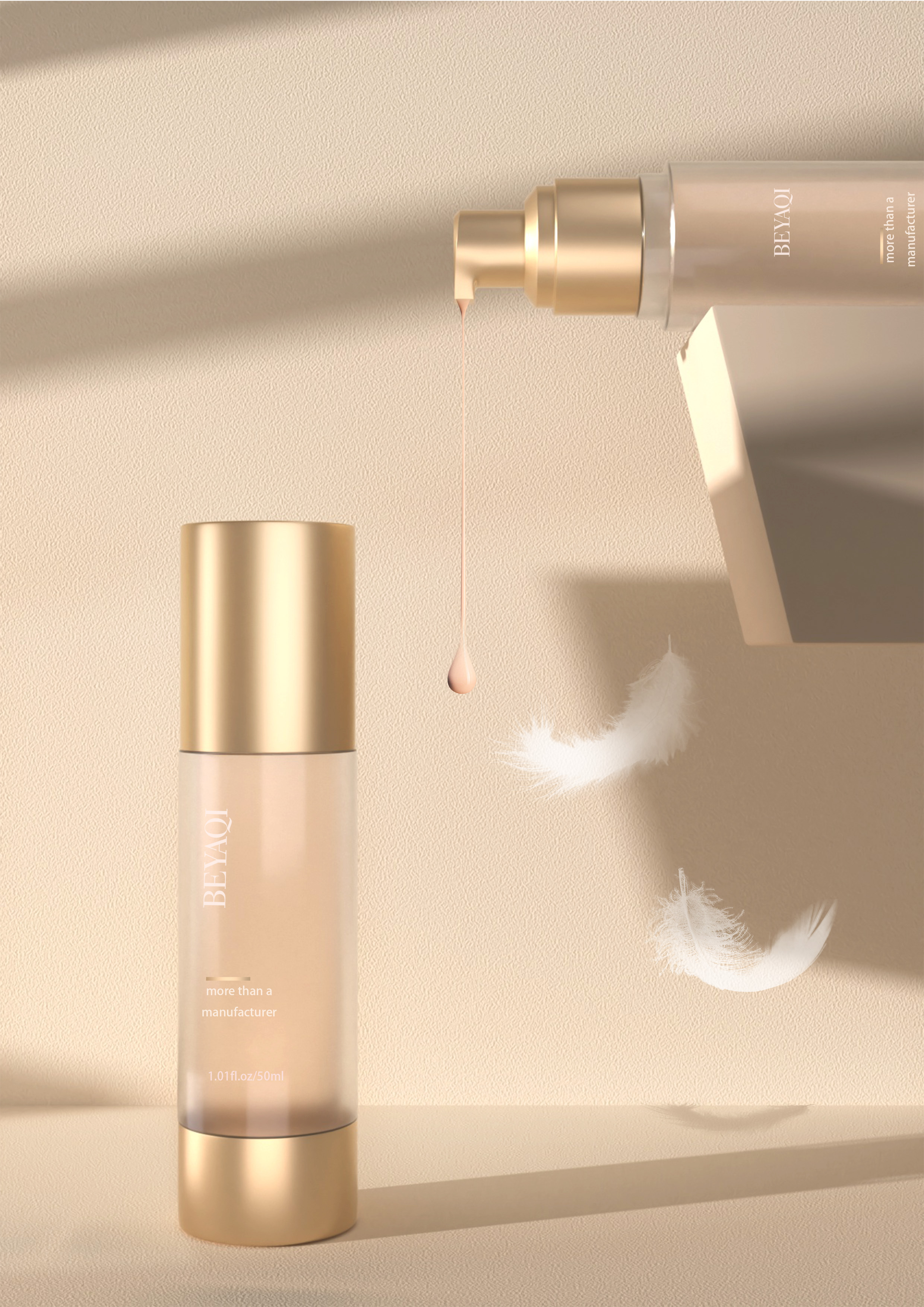
An airless bottle is an innovative way to keep your cosmetics fresher for longer. Most bottles let air in whenever you open them; airless bottles don't. Instead, they are designed so that every time you push the pump to dispense some product, a small piston is pushed up further and further. This is part of an ingenious negative pressure mechanism that prevents air from reentering the bottle. When you first push the pump, air is expelled through a little exhaust hole, creating negative pressure. This little vacuum then sucks in product from the bottle to the top chamber. When you release the pump, a spring activates and the piston gets pushed back down to the bottom of the bottle, preventing air from reentering. The next time you push the pump, it dispenses the product that was stored in the top chamber, and the little vacuum mechanism resets itself, so that air can never re-enter the bottle.
This is very useful for high-end cosmetics that have ingredients that quickly break down in the presence of air (like the Vitamin C, retinol, and hyaluronic acid). Airless bottles keep these active ingredients stable for a longer period of time. Leading cosmetics labs performed tests that found serums in airless bottles kept 90% of their active ingredients after 3 months; whereas those in normal bottles kept only 65%.
Airless Bottles: A Prime Choice for Cosmetic Brands
Airless bottles keep products fresh and offer other advantages to consumers and brands. For consumers, the ability to not leave any product in the bottle is very helpful. Due to the tight piston and a gap of less than 0.05mm, the user doesn’t have to shake to get the last bit. Each press of the pump is the same as the last, so the user will get the same amount every time. This helps with product usage.
For brands, especially for premium lines, the benefits are invaluable. One time a global skincare brand switched one of its products to airless packaging. In 6 months, customer complaints about the product “losing effectiveness” dropped by 40%. This is due to the product being protected in the airless bottle. It helps the brand build trust with the consumers. Brands don’t need to worry about the packaging, as airless bottles work with all different types of products.Important Quality Control Areas for Quality Airless Bottles
Airless bottles are not created equally, and the difference comes down to quality control and testing. The most important is the negative pressure seal test. An airless bottle should be able to maintain negative pressure for 72 hours. If it can’t pass this test, the airless bottle will quickly spoil the product inside.
Another important quality control area is testing for product compatibility. If the bottle contains a high-alcohol serum (over 20% alcohol) or an acidic product (pH below 3.5), the bottle requires additional testing. The piston and seal may swell or break down with these liquids. One manufacturer found PTFE-coated pistons reduced swelling with acidic products by 80%. Bottles must also be tested at low temperatures. Leaving the bottle at -10°C for 24 hours shows if the silicone seal still bounces back. If not, the bottle will permit air to enter when it warms up.
Positive Brand and Consumer Effects
Brands and consumers have experienced a shift in perspective regarding cosmetic packaging with the introduction of airless bottles. Customers often criticized a specific natural skincare brand for the oil in their glass droppers, saying the oil smelled "off" after a few weeks. After switching to airless bottles, the complaints vanished. In a mere 3 months, sales of the brand’s facial oil increased by $30 \%\ due to the perceived freshness of the product.
Customers committed to sustainability love airless bottles too. Many airless bottles are made of PCR (post-consumer recycled) plastic which helps the customer and the environment. Some brands offer a more sustainable option by allowing consumers to replace the inner liner of the bottle. This saves consumers money and improves their positive environmental impact.
Why The Future of Cosmetic Packaging is Airless Bottles
It is growing in demand for consumers to use products with airless packaging and for branded products to have airless bottles. A growing number of consumers wish to use products with active ingredients and they wish for the active ingredients to be efficient. Airless bottles allow for more complex active ingredients to be efficiently delivered. With more and more worldwide regulations on plastic waste, airless bottles offer ideal solutions due to their recyclable and reusable design.
Industry experts forecast that by 2027, more than 60% of premium serums and creams will feature airless packaging. This is more than a packaging trend; it is a move toward better and more sustainable packaging options. Whether you're a brand aiming to elevate your product quality or a consumer focused on maximizing the benefits of your skincare, knowing the mechanisms of airless bottles empowers you to make more informed decisions.