
 EN
EN
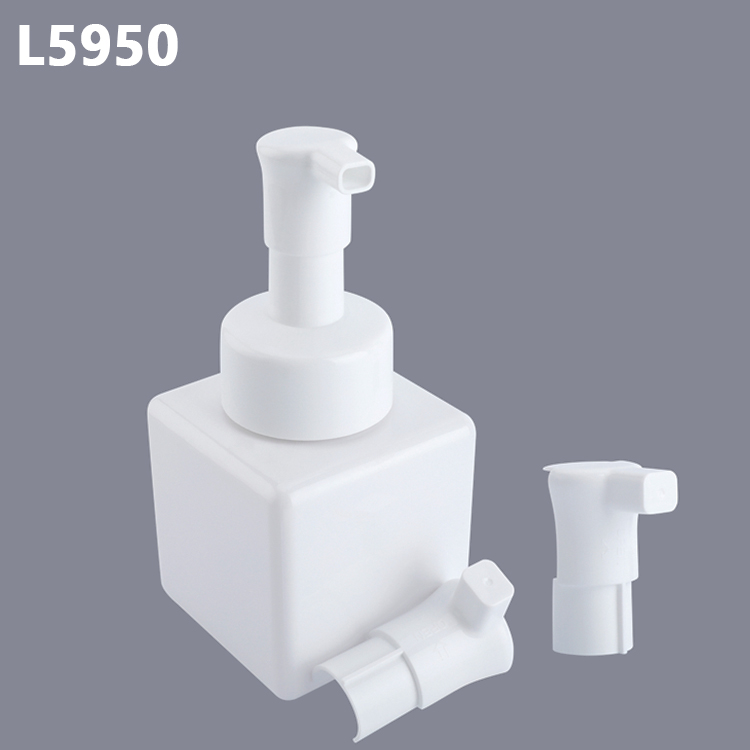
The Basic Function of Foam Pumps
The working of foam pumps has to do with the principles of atmospheric pressure and foam formation. There is also a strong correlation to the surfactant characteristics of the product being dispensed. When the pump head is pressed down, the piston head moves down to remove some of the air from the liquid storage chamber, and the spring is compressed to create some sort of a negative pressure vacuum in the chamber after a spring release. Due to the pressure differences from the inside and the outside of the chamber, the liquid is drawn into the storage chamber, and the pump has a built in mixing device that, on the second push of the plunger, fully mixes the liquid with air. This action destabilizes the surfactant’s liquid surface tension, thereby creating a fine and high quality foam. The quality of the pump mechanism is what determines the most efficient ratio of liquid and gas required to make stable foam.
How to Pump Perfect Foam
To get the most out of a foam pump, don’t just think about pressing and releasing; think about how you can prepare the pump and how to operate it properly. Start by making sure that the pump head is securely attached to the bottle, and that there is no chance of air escaping from the connection. This is critical for capturing foam. If you are using a new foam pump, you will need to do some initial prep. Work the pump head 3 to 5 times in order to depress a small amount of product. This will help remove air that is trapped in the mixing chamber. When you pump, try to do so with the same amount of force that you would use to press it all the way down. Once you have pressed it down, do not try to hold the spring in the reset position. Just let go and try to avoid doing it too quickly. If you do so, you will not mix the gas and liquid properly and you will get either granulated or loose foam. Try to keep the pump in a vertical position. This will help keep soft liquid flowing to the mixing chamber.
Optimizing Quality of Foam
Stability, density, and fineness all play a part in how quality foam is made, and a few of the indicators can be controlled. Gas-liquid mixing ratio is the most crucial example. The mixing ratio in most personal care and cosmetic products is 10:1 and 15:1. A high precision structural design of the pump body is also required in the case of seals. The viscosity of the filled product is matched with the pump body. A product with a highly viscous will be the cause of a slow flow of liquid, whereas a product of low viscosity will lead to the release of an excessive amount of liquid which will in turn cause to thinned foam. A high quality foam pump screen will be able to capture the large bubbles, which will allow further breaking of them to smaller bubbles, and further foam refinement will be achieved. It is with the high foam quality production standards adhered to, that the packaging industry can effectively achieve foam quality production.
Choosing a Foam Pump for Your Product
There are a number of well-known global brands that reinforce the need for picking the right foam pump for the characteristics and application scenarios of a product. Low viscosity facial cleansers and hand sanitizers are best paired with small and medium specification foam pumps. These provide ease of use and portability with 50ml and 100ml options. On the other hand, body wash and household cleaning products that have high viscosity and require large output will work best with large specification pumps, specifically 150ml with large diameter liquid outlets, as they will achieve one-time use with fewer presses. In terms of material selection, the best options for skin care and beauty products are food-grade and cosmetic-grade plastics, while more corrosive cleaning products are best with aluminum-plastic composite materials. International brands reinforce the match of foam pumps with product attributes to greatly enhance customer experience.
Commercial Value of Foam Pumps in Packaging
Foam pumps can be a great source of packaging innovation for daily chemicals and cosmetics brands. The impact of foam pumps can be examined in a number of different ways in terms of business operations. Users don't have to do a foaming process since foam pumps do it for them. Foam pumps also provide users with an easy to use packaging option that generates a less waste. For businesses, premium foam pumps can add to the perceived value of the product and provide a unique selling proposition in the marketplace. The use of customized foam pump packaging increases repeat purchases for home/ beauty care brands. Foam pumps are a great packaging solution that enhances consumer experience while providing brands with a variety of benefits.
Trends of Sustainable Design for Foam Pumps
Since the world is focused on the growing concern for the environment, the foam pump packaging industry's principal developing trend is sustainable design. Given the growing concern for the environment, the design of the foam pumps must adhere to design certifications and production standards on an international level. Foam pumps that are certified environmentally friendly due to ISO9001, ISO14001 and Global Recycled Standard certifications, use recyclable and bio-degradable plastics. A lot of professional packaging companies are offering foam pumps that have been designed with a head that can detached for separated recycling. Also, the lightweight design of the foam pumps bodies allows for a reduction of a raw materials used for production and meets the goals of a low carbon environment. environmentally sustainable design foam pumps is a modern consumer requirement and meets all the international design standards.