Caps and Closures might seem like simple covers for cosmetic bottles, but they are essential in protecting the value, usability, and freshness of cosmetic products for brands and consumers. For instance, a repair cream or a hyaluronic plumping serum requires a cap to block air, which can deactivate the potential value of the product’s active ingredients. A hygienic seal is vital because cosmetic products are applied to the skin. A well-designed cap for a liquid cosmetic product like liquid blush or mist sprayer is important because it prevents leakage during transportation. Finally, selecting the right plastic cap requires the understanding of the cosmetic product and the everyday experience for the user. For instance, is it a thick cream or a thin serum?
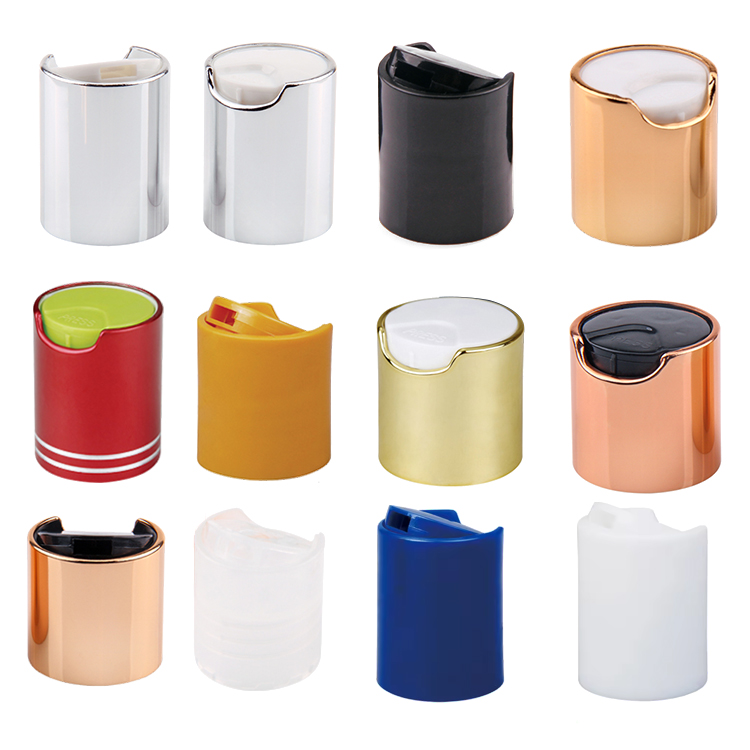
Cosmetic bottles require different types of closures. The closure needs to match the container design and product type. Consider an airless bottle caps used for high end creams. This type requires a special cap to work with the airtight system, specifically one that will seal out air completely. On the other hand, a roll on bottle for deodorant or some serums requires a closure that is easy to remove and replace, yet secure enough to prevent leakage. For a pump bottle, say used for creams or oils, the closure must be able to cover the pump to prevent accidental pressing when not in use. Consider the material. Some caps are made with recycled materials which suit the needs of eco-friendly brands. This ensures the cap serves its purpose and enhances the overall presentation of the product.
Correctly putting a plastic cap on a cosmetic bottle is simple but it must be done to ensure it is secure. Start by making sure both the bottle neck and the cap are clean. No product residue, dirt, or adhesive should be on the bottle or cap as this could break the seal. After, align the cap and bottle neck. Once you determine the cap screws on, turn it clockwise until you sense a little resistance. Do NOT twist it so hard that you break the threads on the cap or the bottle. For snap caps, press down so that it is locked, until you hear the "click." If the cap has a liner, make sure the liner is flat and not folded. The cap should be lined to ensure there is no leakage. The first time you use the bottle, shake it and open and close the cap to make sure it is sealed tight.
For prolonged functionality of closures and capsules, consistent regular maintenance and inspections are essential. Each time you access a cosmetic product, simply use a dry, clean cloth and clean the product neck and the cap to prevent buildup of product. This ensures that the cap remains unspoiled, and can comfortably be opened without the risk of breaking the seal. Also, if the cap is of the hinged type, periodically check the hinge to prevent complete hinge failure, and ensure closure of the cap is maintained. Avoid the caps near excessive heat like being left in extreme to a hot car as warp. Take note and replace the cap if it is not sealing properly or leaking. This will prolong the effectiveness of the product in the cosmetic container.
Closures and caps can do even more for your brand than simply secure your cosmetic bottles. Custom closures and caps can become an extension of your brand's identity. Advanced personalization does not mean you have to compromise security for style. You can order custom caps and closures in any color or style. For example, if your brand is eco-friendly, customize your closures to highlight the sustainability aspect. You can even order some caps from recycled plastic and post an eco-friendly message. Customization should not compromise the functionality, however. For example, if you engrave your logo on the closure, keep it in mind that it should not affect the closure's seal. Many businesses collaborate with caps and closures manufacturers to design unique closures that are both effective and beautiful. Integrating customized closures is an effective way to enhance brand visibility for your customers and provide them with a secure product.

 EN
EN