
 EN
EN
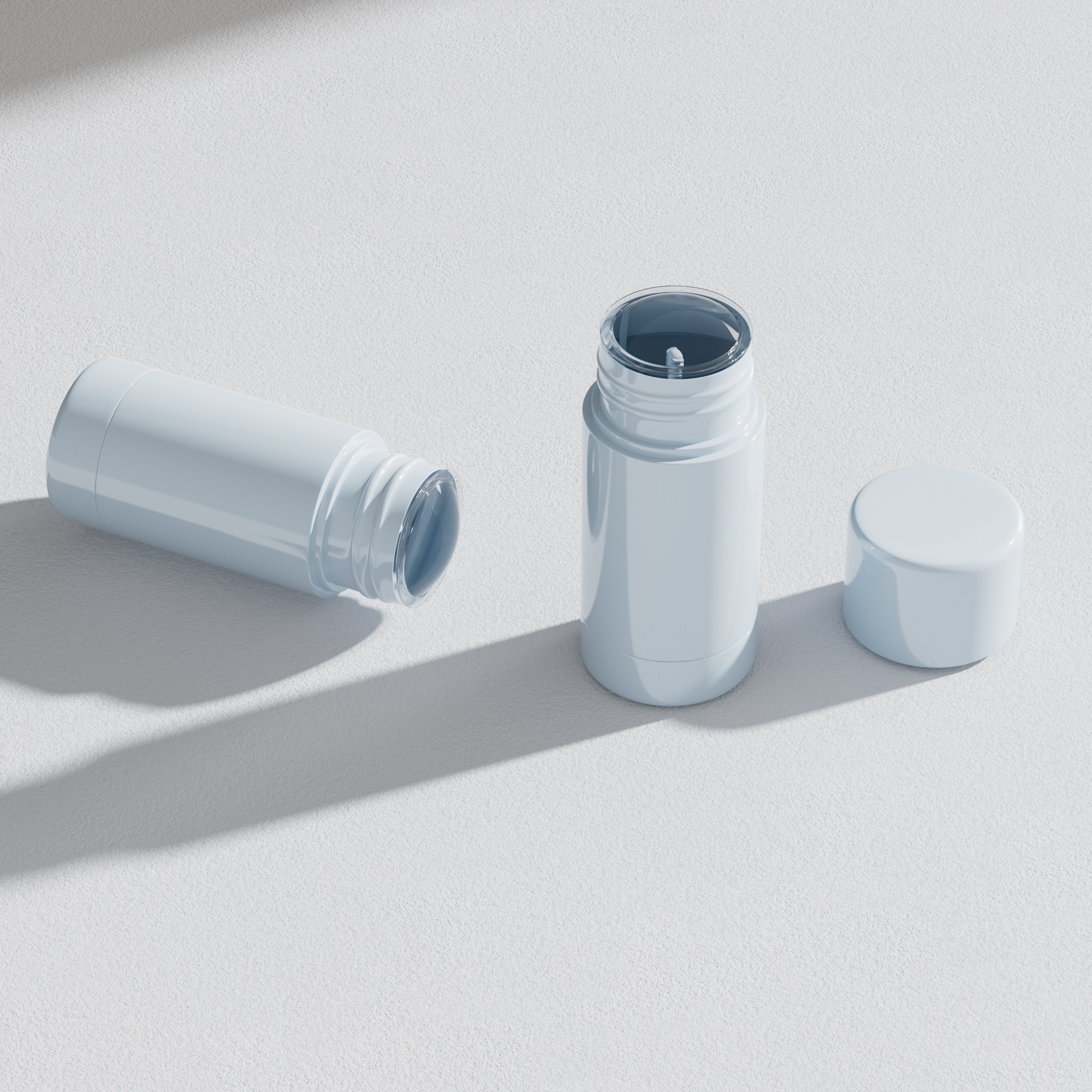
Hygienic Seal Mechanisms Avoid Contamination
Hygiene begins with shielding against external pollutants, which deodorant bottles do well with advanced sealing technologies. Good quality deodorant bottles use precision engineering to create an airtight barrier which keep the dust, bacteria and moisture out, thus keeping the deodorant safe from outside contamination.
Sealing systems are meant to endure the daily grind, from being tossed in gym bags to the humid bathroom. Unlike traditional packaging which loosen and degrade with time, these specialized seals continue to remain intact after multiple openings and closings. Such protection is instrumental considering deodorants are meant to go on the underside skin which is a perfect breeding groung for bacteria and sweat. By keeping external pollutants out, the bottles bring down the chances of infections and skin irritations from using products that are not safe.
Contact-Less Dispensing Reduces Cross Contamination
Modern deodorant dispensers have a less obvious advantage they incorporate contact-less dispensing mechanisms. Roll-ons can be sprayed without needing contact with the skin. Roll-ons have a non-porous ball that glides over the skin. This smooth ball transfers the exact amount of deodorant without getting skin or bacteria. The spray bottle releases a quiet spray that settles on the skin without contact.
Designed to prevent skin contact, they help in bag carrying, germ breeze, bacteria, and all the other things that happen in travel. Regular stick deodorants contact the surface of the product. These stow away bacteria, further slapping the skin with their screw edges. The untainted inside of the bottle helps to keep the contents germ free from the first use to the last, making it amazing to be used with other things or on other people during trips.
Material Selection Prioritizes Safety and Cleanliness
Deodorant manufacturers must prioritize certain materials when making products to improve hygiene. Quality manufacturers utilize food grade and medical grade materials that are nontoxic, non-porous, and resistant to bacteria. These softer substances are selected for chemical inertness to prevent leaching and maintain the purity of the formula.
Aluminum and high-quality plastic are two of the most popular materials used for hygienic deodorant containers. Aluminum is one of the most earth-friendly materials, in addition to being fully recyclable, and is also resistant to corrosion and the growth of bacteria. Difficult engineering creates high grade plastics that are engineered to be non-porous and smooth which allows for easier cleaning and bacteria reduction. All materials are rigorously enforced to maintain ISO 9001 and ISO 14001 to ensure the highest grade of safety.
Precision Engineering Ensures Consistent and Clean Application
Another aspect of the hygienic nature of deodorant containers is because of the industry standard precision engineering. Each dispensing mechanism is designed to ensure the consistent dispensing for the same amount of product every time. This also makes sure that the product is used to the fullest.
There are various types of deodorant bottles, such as roll on bottles and spray bottles. Roll on deodorant bottles are designed with a special mechanism that pens a controlled amount of product and stops excess product from leaking or dripping. Spray technology balances a fine and even mist with a targeted approach, thus avoiding overspray. There are clever engineering details that improve the user experience, as well as protecting their health and the health of others by eliminating product waste and minimizing the chances of cross contamination.
Manufacturers of hygienic deodorant bottles are able to follow the strict global guidelines of safety and hygiene because the reputable ones have acquired the necessary certifications of the ISO 9001 and BSCI. All of these mean that the whole manufacturing process complies with the guidelines of engineering hygiene, from the very the selection of materials to the very final assembly.
These certifications mean that the users of these deodorant bottles are ensured that they are hygienic and safe. The manufacturers of these deodorant bottles carry out a series of tests, one of which is the absence of bacteria. All of these show that they do care about the safety and hygiene of their customers.
Maintaining Bottles Long-Term Hygiene
Hygienic deodorant bottle construction helps them stay clean and work for long periods of use. To support maintaining hygiene, smooth and non-porous surfaces of the deodorant bottle can be wiped clean easily and with it, the exterior will be be free of dirt and germs. Also, the sealed construction helps keep the deodorant from deteriorating, so it can stay clean and effective throughout its 'best by' date
Deodorant bottles often come with `tamper proof' seals. This gives clean and opened bottle proof that the product is safe for use. This helps the bottle prove that is safe and free from contamination. With the right use, the bottles can stay hygienic throughout its intended use. Overall, these features help make deodorant bottles safe and effective for daily use.