A lot of hand cream brands use jars or tubes with wide openings, and this doesn't help with hygiene at all. Whenever someone uses a jar, they're dipping their fingers into the cream. This means skin oils, bacteria, and all the grime attached to a hand are passed on to the remaining cream. This contaminates the cream and, if the conditions are warm and moist, it becomes a breeding ground for microbes. In time, even a little bit of contamination can help the cream lose its preservatives, making it unsafe long before the use by date. Flip-top tubes are a bit better but we all know people squeeze tubes so the excess cream can be directly contaminating the skin and the cap can be a breeding ground if it's not cleaned.
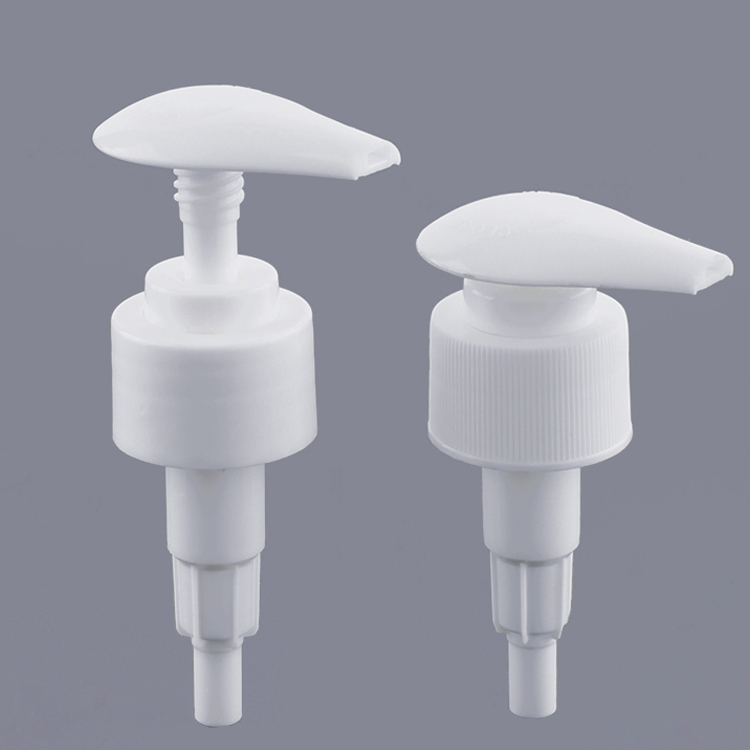
Lotion pumps use a special closed-system design to shield hand cream from potential harm. When a user presses the pump, a vacuum mechanism draws a specific, no-touch amount of cream from the container. There is no skin contact with the bulk product. A pump also contains a no-backflow mechanism. When cream is dispensed, no air or other foreign entities are permitted to return into the bottle. This closed system safeguards purity from the initial use of cream to the final dispense, guaranteeing every use is clean. Most lotion pumps have a closed-system design which includes a secure cap for the lotion pump to cover the nozzle when not in use, providing an additional layer of protection from external contamination.
One issue that hand creams face is losing their shelf life, and this is mostly due to contamination. Pumps reduce contamination and keep hand creams effective for longer. For example, uncontaminated hand creams packed with pumps will keep their freshness and not develop annoying odors and textures until the entire jar is used. This is great for customers because it allows them to maximize their purchases and also reduces waste. There is less waste because there are fewer partially used, contaminated creams thrown away. For companies, there are less customer complaints. This helps improve their reputation for quality and dependability.
Around the world, cultures have different norms and expectations when it comes to hygiene for personal care products, but lotion pumps meet and exceed these standards without exception. For consumers in Europe and East Asia who value strict hygiene, the closed-system design of pumps affords products that lessen germ contact, meeting their expectations. Elsewhere, pumps deliver a considerable convenience, offering easy, mess-free dispensing—no more sticky fingers from jarred cream or the struggles of squeezing a tube. Regarding age and ability, lotion pumps are also universally easy to operate. This means that lotion pump products are accessible to everyone. Because of this, brands that incorporate lotion pumps into their hand cream products are enhancing hygiene and usability in a way that is universally appealing.
Each lotion pump is made differently, and choosing the correct one is important for the hand cream product for hygiene and customer satisfaction. The pump should dispense the average amount used for each hand cream. If the amount dispensed is too high, valuable hand cream is wasted, and too low means the customer has to pump the container many times. This also increases the risk of touching the nozzle, which is unhygienic. The pump should also use food or cosmetic grade the plastic, should meet the pump durability threshold, as the pump should maintain the hygiene function for the product over the entire product life without breaking or leaking. For thick hand creams, the pump should have a larger, internally, thicker pump to allow a clog-free dispense.

 EN
EN