Blockages in key areas are one of the most common culprits for a foam pump that stops working. Wherever foam pumps are in use, residues build up over time. Residue build-up within the suction tube or along the nozzle border, can include thick cleansers and skincare formulas. These residues harden and become impenetrable, blocking the liquid from being drawn up as it should. Pump foaming action is prevented by even small clumps that disrupt the flow, inhibiting the pump's ability to combine liquid and air. The good news is that this issue is highly preventable with a simple, regular buildup clearance in the problem areas.
Valves are responsible for controlling liquid and air flow, which makes them a vital component for foam pumps. The internal valve can become degraded or even stuck, and this results in uncontrolled flow regulation and foam formation missing the mark. Imagine a scenario with a valve that fails to close, air escapes rather than liquid combining with it. It's also possible, through a cracked valve, that liquid escapes and there's not enough to combine to form foam. This issue often occurs with regular use as the valve is subject to repeated pressure changes. Transverse wear is the most common form of construct degradation.
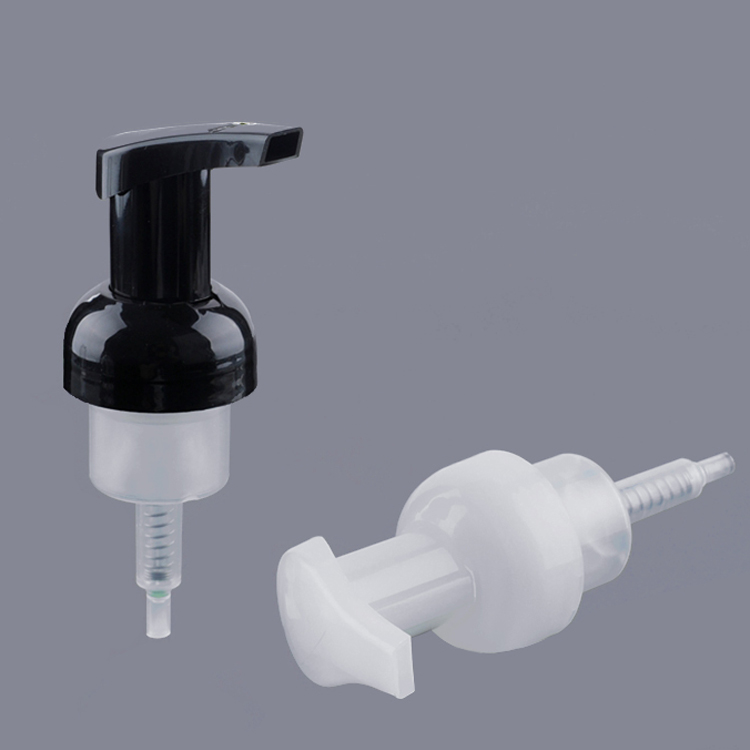
Foam pumps can only handle certain types of liquids. If the liquid is thick—like a heavy cream cleanser—it can clog the smaller channels of the pump. This will prevent the pump from pulling enough liquid to blend with air. If the liquid is too thin, it can run through the pump too quickly, not allowing the pump to create a proper air-liquid ratio to make foam. Using a liquid that matches the recommended consistency is crucial to keeping the pump functional.
Air leeks in the pump assembly can rupture the vacuum necessary to draw liquid up to create foam. If the seal is loose or damaged, leaks can often occur at the connection between the pump and the bottle. They can also occur in tiny fissures in the pump body. If air leaks in, the pump will not have the pressure to draw liquid from the container, which means that if you try to use the pump, only air will eject. Inspecting the seal and pump body for wear can prevent this issue.
Foam pumps function like any other part and get worn out after some time. Even the pistons and springs lose their effectiveness. The pressure needed to mix the liquid and air may not be created by the worn piston and the weak spring could prevent the pump from popping back into place. Even though there may not be any blockages or leaks, the foaming ability of the pump will gradually diminish. Worn out parts or the whole pump will probably need to be replaced.

 EN
EN